
32
Shares
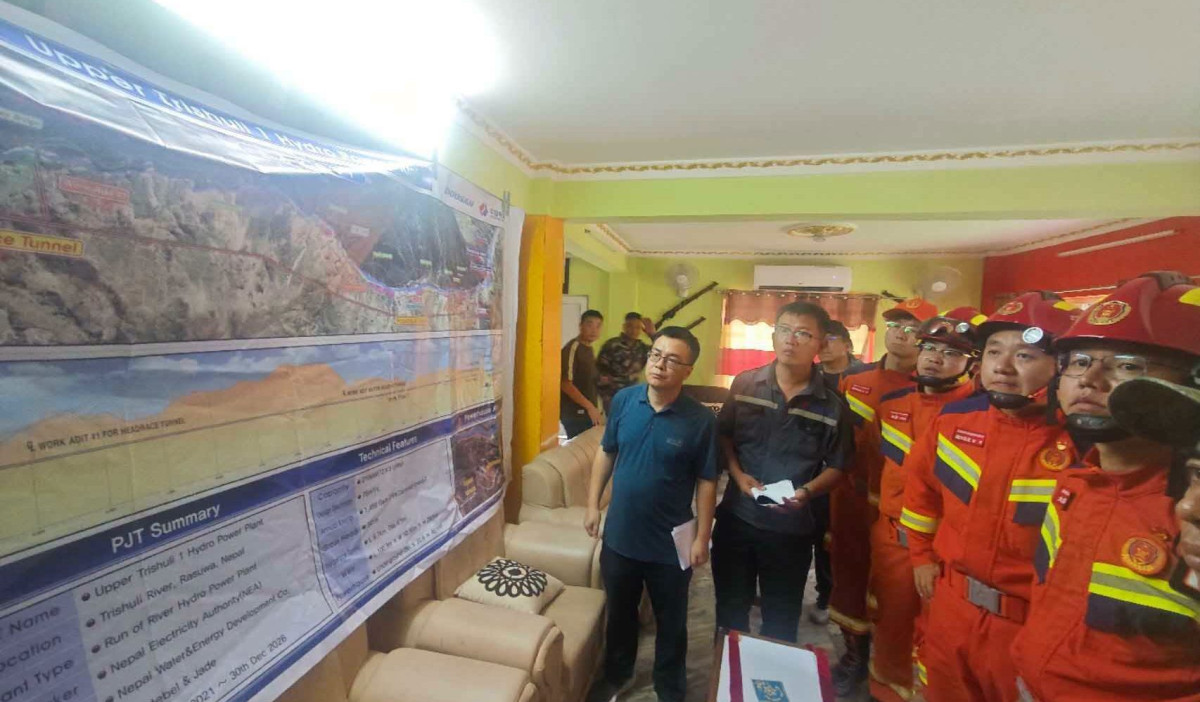


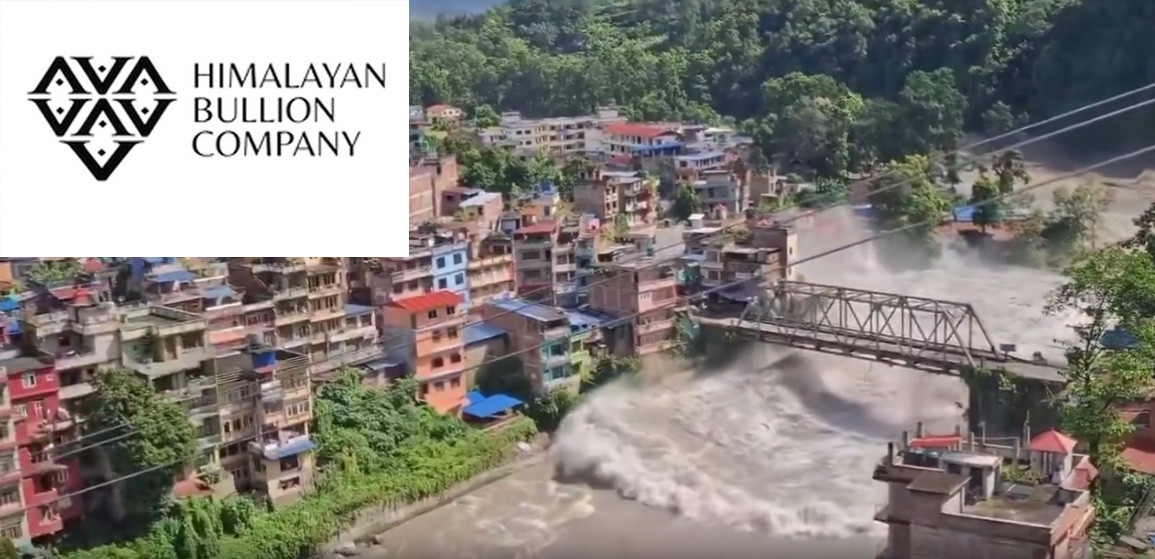
Kathmandu, Rescue operations have intensified in Nepal’s flood-hit areas as specialized technical assistance from India and China is being mobilized to support efforts to reach people believed to be trapped inside hydropower tunnels following the devastating Bhote Koshi floods.
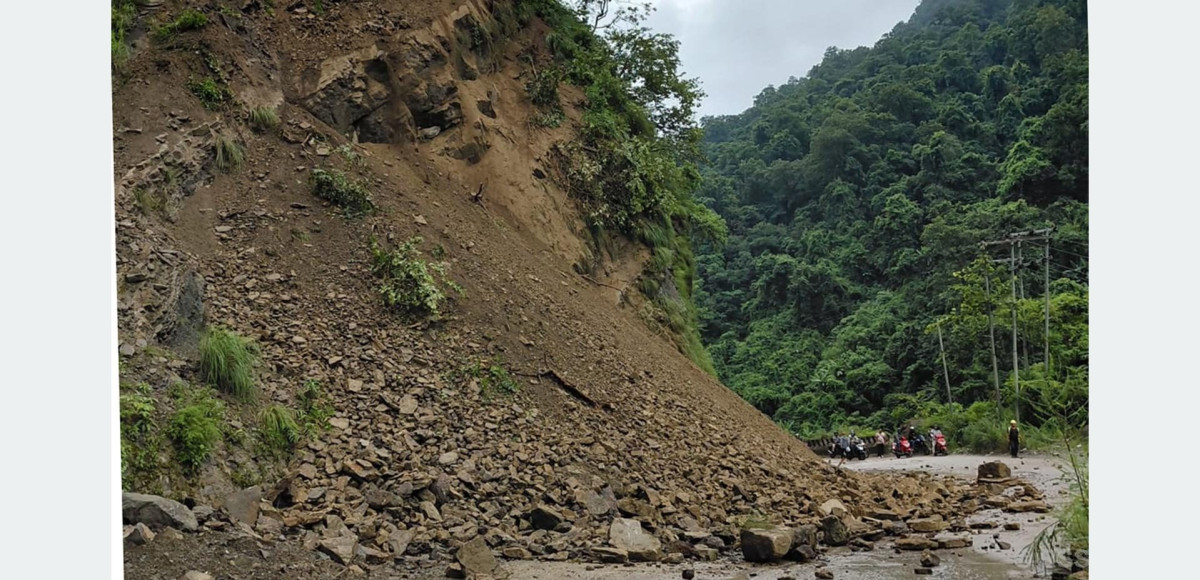
The disaster, which struck areas along Nepal’s northern border after a massive flood event, has caused widespread destruction of roads, bridges, hydropower infrastructure and settlements. Hundreds of people have lost their lives, while thousands remain unaccounted for as authorities continue search, recovery and rescue operations.
The Nepal government has sought specialized assistance from both India and China, particularly for technically challenging tunnel rescue operations, life-detection technology, forensic work and other emergency response requirements. An 11-member specialized technical reconnaissance team from India has been mobilized for tunnel rescue, while Chinese tunnel-rescue experts have also been deployed to assist Nepalese authorities.
One of the most difficult rescue challenges is the operation inside flood-affected hydropower tunnels in Rasuwa. The tunnels are located in extremely difficult terrain, with debris, damaged infrastructure, unstable ground and restricted access making conventional rescue operations extremely challenging.
A six-member Chinese technical team has already reached the affected area and begun coordinating with Nepali technical personnel, including members of the Nepali Army. The operation requires specialized equipment and careful assessment before rescuers can safely advance into the tunnels.
The rescue mission is being conducted under the coordination of Nepalese authorities, with international technical assistance being brought in where specialized expertise is required.
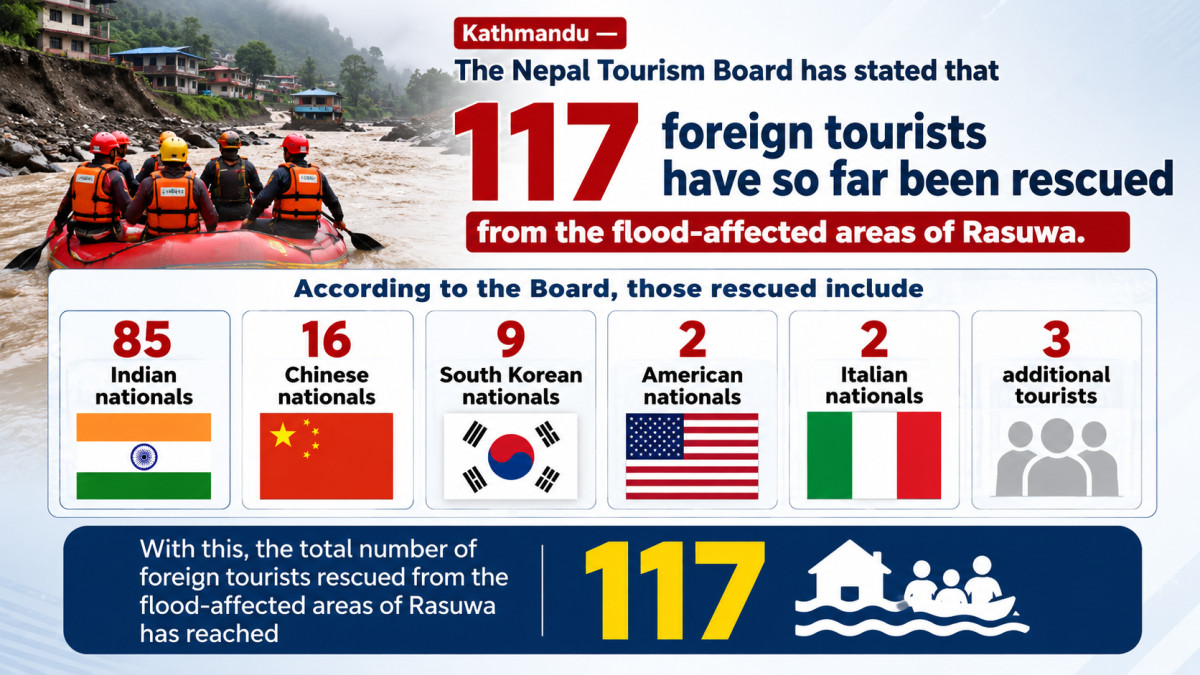
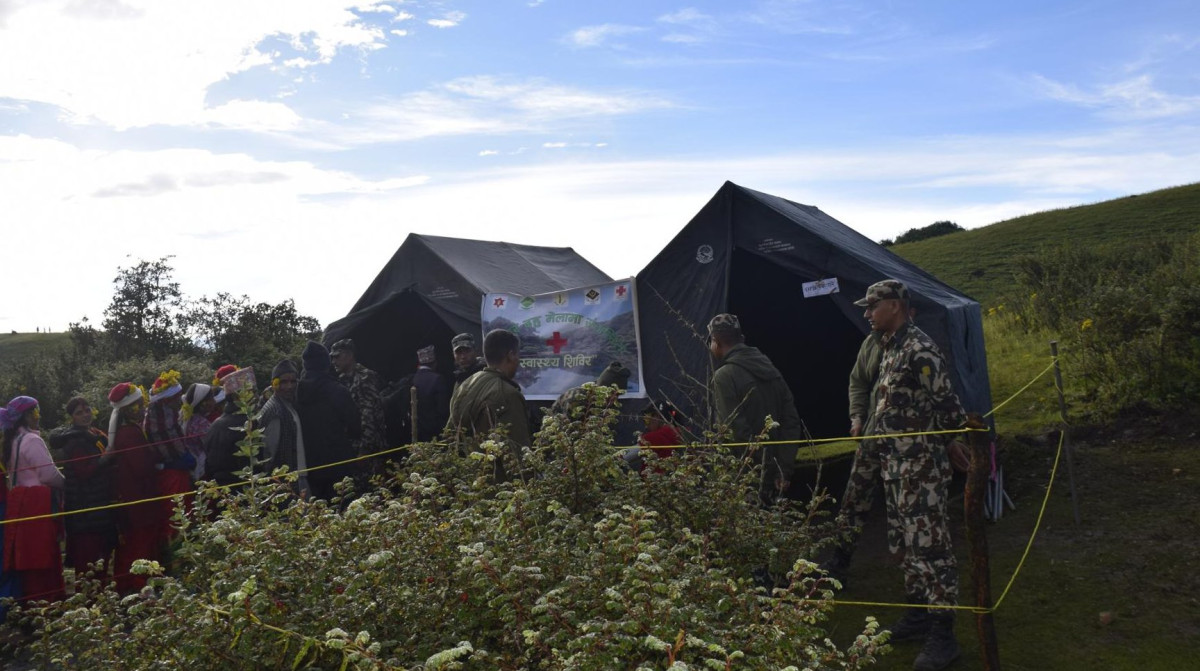
According to reports, the Nepali Army has already rescued hundreds of people from affected hydropower tunnel areas. In one operation, 208 people, including 43 foreign nationals, were rescued from a Trishuli hydropower project tunnel. The rescued foreign nationals included 38 Chinese and five Indian citizens.
The tunnel operations are particularly challenging because rescuers must determine whether sections remain structurally safe before entering. Floodwater, mud, rocks, damaged access routes and limited visibility have slowed the operation.
Authorities are also working to locate people who may still be alive in isolated areas. Nepal has requested specialized life-detection technologies to improve the chances of locating survivors buried under debris or trapped inside damaged infrastructure.
The scale of the disaster has prompted a wider international response. Nepal has sought technical support from neighboring countries and other international partners as it faces one of the most challenging disaster-response operations in recent years.
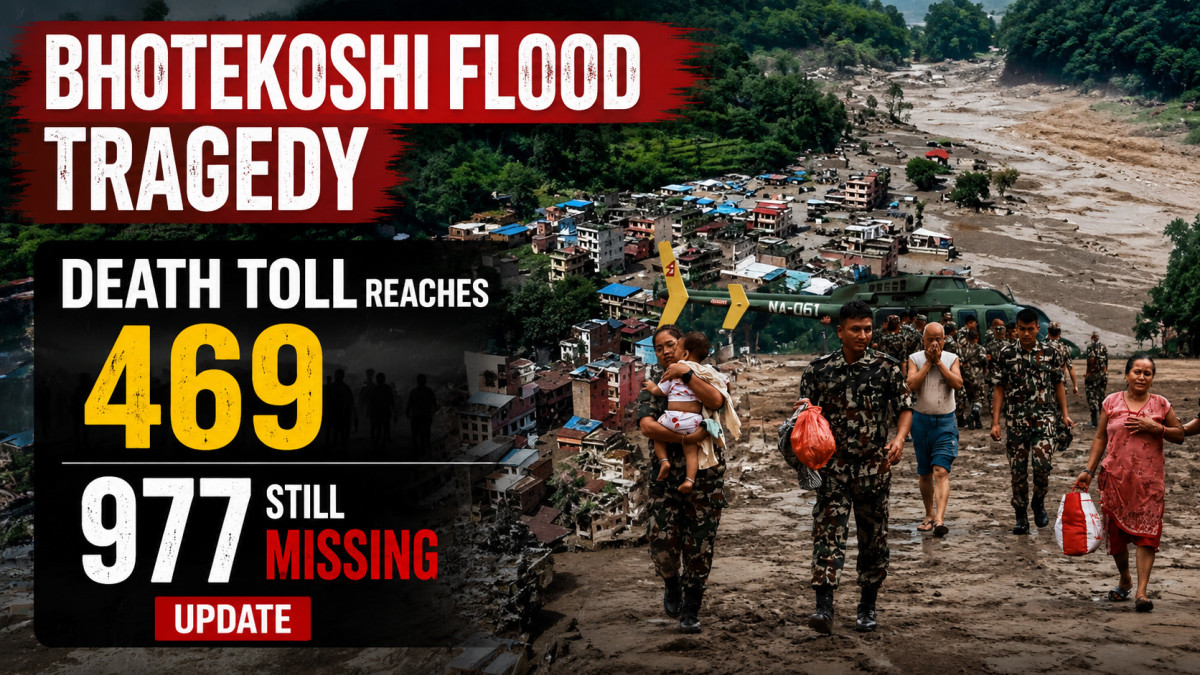
The latest reports indicate that the death toll has continued to rise, while thousands of people remain missing. Reuters reported that at least 669 people had died in Nepal and nearly 3,000 people were still missing, although official figures may change as search, recovery and verification operations continue.
The focus of the rescue teams is now shifting toward specialized operations that require advanced equipment, technical knowledge and careful coordination. Tunnel rescue remains one of the most urgent and technically demanding tasks.
For families waiting for news of their loved ones, the tunnel operations have become a symbol of hope. Rescue workers are continuing their efforts despite dangerous terrain and difficult working conditions.
The cooperation involving Nepalese authorities, the Nepali Army and specialized teams from India and China is expected to strengthen the ongoing rescue mission and improve Nepal’s ability to reach people trapped in difficult-to-access areas.
Officials have urged the public and media to rely on verified information, warning that casualty and missing-person figures may change as rescue teams continue their work.
The rescue operation remains ongoing, and authorities are determined to reach every possible survivor while simultaneously recovering those who may have perished in the disaster.



फेसबुकबाट तपाईको प्रतिक्रिया